
Lodi wineries, ranked: the 10 best tasting rooms in the 209
The best of the Lodi wineries is Michael David Winery, on Highway 12 west of town, and it isn’t especially close. It pours the wine that just won Best of Show at the 2026 California State Fair, it takes walk-ins, and you can eat breakfast there before your first pour. Ranks 2 through 10 are where it gets interesting. Lodi has more than 85 wineries, and the good ones don’t overlap: Spanish grapes in the Clements Hills, an all-white-wine barn in Acampo, zinfandel vines planted in the 1880s. This list ranks the 10 worth your Saturday, says why each one beats the next, and gives you the detail that saves you a wasted stop.
Timing matters too. It’s October, harvest is on, and the Lodi AVA turns 40 this year. The 2026 crush started about two weeks early, in August, so by now the whites are in the tank and the late reds are coming off the vine. Go now and the whole town smells like fermentation.
Lodi wineries, the short version
Lodi sits on Highway 99 about 35 miles south of Sacramento and roughly 90 miles east of San Francisco, at the point where the Central Valley starts tilting up toward the Sierra foothills. Delta breezes come up the river channels in the afternoon and cool the vineyards at night. That’s the whole trick, and it’s why grapes have been farmed here since the 1800s.
Some numbers that explain why Lodi isn’t “the cheap stuff” anymore:
- More than 100,000 acres of winegrapes. Much of it is sold to wineries elsewhere, so there’s a decent chance you’ve been drinking Lodi fruit for years without knowing it.
- Seven sub-appellations: Alta Mesa, Borden Ranch, Clements Hills, Cosumnes River, Jahant, Mokelumne River, and Sloughhouse. The Mokelumne River AVA, with its sandy soils west of town, holds most of the famous old zinfandel. The Clements Hills, to the east, are rolling and oak-studded and look nothing like the valley floor.
- Lodi Rules, the region’s sustainable-farming certification, launched in 2005 with six growers. It’s the original third-party-certified sustainable winegrowing program in California.
- 182 medals at the 2026 California State Fair wine competition, including six Best of California awards and a perfect 100-point score.
The ranking below weighs four things: how good the wine is (with outside proof where it exists), how distinct the place is from its neighbors, how easy it is to actually visit, and whether the stop is worth the drive by itself. Old-vine zinfandel is the reason Lodi is famous, but four of the top 10 are known for something else entirely. That’s the best thing about Lodi in 2026.
One note for planning. Most Lodi tasting rooms still take walk-ins, which is rarer in California wine country than it should be. The exceptions are flagged below, and weekends in harvest season fill up faster than you’d guess.
1 to 3: the best Lodi wineries right now
1. Michael David Winery (Highway 12, west of Lodi)
The Phillips family has farmed this ground since the mid-1800s, and the business started as a roadside fruit stand. It still has one. Michael David became a bonded winery in 1984 and grew into one of the best-known names in Lodi: 7 Deadly Zins, Earthquake, Inkblot. Wine Enthusiast named it American Winery of the Year in 2020. At the 2026 State Fair, its 2023 Inkblot Cabernet Franc scored 100 points and took Best of Show for reds, and the 2024 Earthquake Zinfandel added a second Best of California at 98.
Why it’s #1: nobody else in Lodi does this many things this well at once. Small groups (one to six people) walk in without a reservation. The indoor café serves breakfast and lunch, the farm stand sells local produce, and the pies are made from the brothers’ mother’s recipe. The outdoor bistro runs weekends through November. Bokisch makes the more distinctive wine. Michael David makes the better day.
Insider detail: come for breakfast and taste after, not the other way around. Order the pie to go, and take it home to whoever didn’t come.
2. Bokisch Vineyards (Clements Hills)
Markus and Liz Bokisch have grown Spanish grapes in Lodi since 1999: Albariño, Tempranillo, Garnacha, Graciano, Verdejo, and Monastrell. A lot of Lodi wineries now pour an Albariño. Bokisch is a big reason why. The tasting room on Atkins Road opened in 2014, high in the Clements Hills, with glass walls that look into the cellar on one side and over the blue oaks on the other.
Why it beats #3: Acquiesce does one thing perfectly. Bokisch does a whole country’s worth of grapes, red and white, and the reds hold up at dinner. It’s also the best drive on this list. Atkins Road climbs out of the flat valley into grass hills that look like the Sierra foothills, because that’s where they’re headed.
Insider detail: book ahead. The winery encourages reservations, and on a harvest weekend you’ll want one. Start with the Albariño and finish with the Tempranillo.
3. Acquiesce Winery (Acampo, Mokelumne River AVA)
Acquiesce pours only white and rosé wines, made from Rhône grapes: Grenache Blanc, Picpoul, Roussanne, Viognier, Clairette, and Bourboulenc. In a region built on big red zinfandel, that’s a dare. Sue Tipton’s 2025 Grenache Blanc scored 99 points and took Best of Show for whites at the 2026 State Fair. The tasting room is in a century-old barn surrounded by 18 acres of the estate’s own vines.
Why it ranks here and not higher: the wines are as good as anything on this list, but they’re one style. Bring the friend who swears they “don’t like white wine.” Its tight rules also count against it a little (see below).
Insider detail: it’s strictly 21 and over, and that includes infants. No pets and no outside food. Walk-ins are welcome for one to four people if there’s room; bigger groups should email ahead.
4 to 6: old-vine zinfandel country
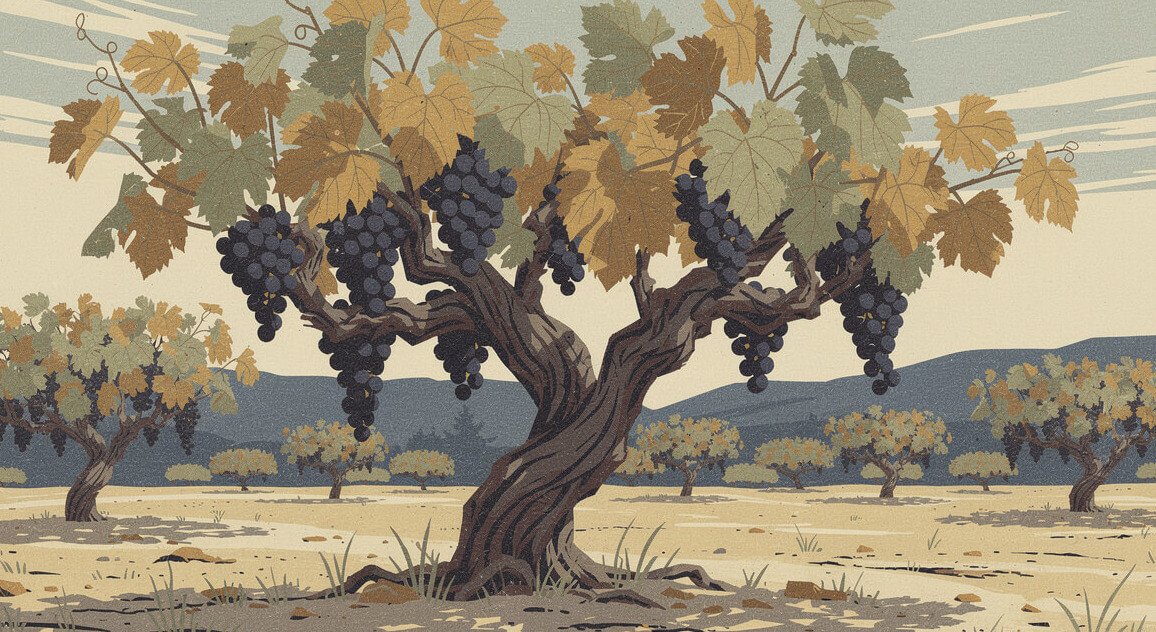
This is the Lodi people mean when they say “Lodi.” Old zinfandel vines here are trained like small trees, with no trellis wires, and many grow on their own roots in sandy soil that phylloxera never liked. Some are well over 100 years old. These three wineries have the best of them, and they’re close enough to do in one afternoon.
4. Harney Lane Winery (Harney Lane, east of Highway 99)
The Mettler and Lerner family has owned this land since 1900. The winery itself only launched in 2008, after generations of selling grapes to other people. The headline bottle is the Lizzy James Old Vine Zinfandel, from a vineyard planted in 1904. The gardens are shaded by huge deodar cedars, and you can bring your own picnic.
Why it beats #5: it’s the easiest great zin stop in Lodi. It’s about three miles off Highway 99, walk-in friendly, and the wine shows what a 120-year-old vine does that a young one can’t: more depth, less jam.
Insider detail: it’s 21 and over only, infants included. Groups of six or more need a reservation.
5. Klinker Brick Winery (Alpine Road)
Steve and Lori Felten are fifth-generation Lodi growers who started Klinker Brick in 2000. They farm two dozen blocks of old vines, and some of them are more than a century old. Old Ghost, the flagship old-vine zinfandel, is the bottle Lodi locals bring to dinner when they want to win an argument about Lodi.
Why it ranks below Harney Lane: the wine is a coin flip between them. Harney Lane is simply easier to walk into. Klinker Brick strongly recommends a reservation on weekends, and it takes those by phone.
Insider detail: the south patio looks out across the vines toward Mount Diablo. Pick a clear fall afternoon. Leashed, well-behaved dogs are welcome outdoors.
6. Jessie’s Grove Winery (Turner Road)
The same family has owned this land since 1868. Its Royal Tee Zinfandel block was planted in 1889 by Joseph Spenker on its own roots, and it’s considered the oldest Zinfandel planting still in the ground in Lodi. Spenker also planted the Bechthold Vineyard, in 1886, which is likely the oldest Cinsault vineyard in the world. The tasting room sits in a grove of big valley oaks.
Why it’s #6: no winery here has more history in the dirt. The tasting room is more casual than the five above, though, and the lineup runs broad rather than deep.
Insider detail: the Lodi Pumpkin Harvest Festival is here on October 10 and 11, 2026, from 11am to 4pm. Come for it or avoid it on purpose, depending on how you feel about crowds and pumpkins. A Crush Fest music night is on the fall calendar too; check the winery’s events page for the date.
7 to 10: estates, steel, and the wine-nerd stops
7. Oak Farm Vineyards (Devries Road)
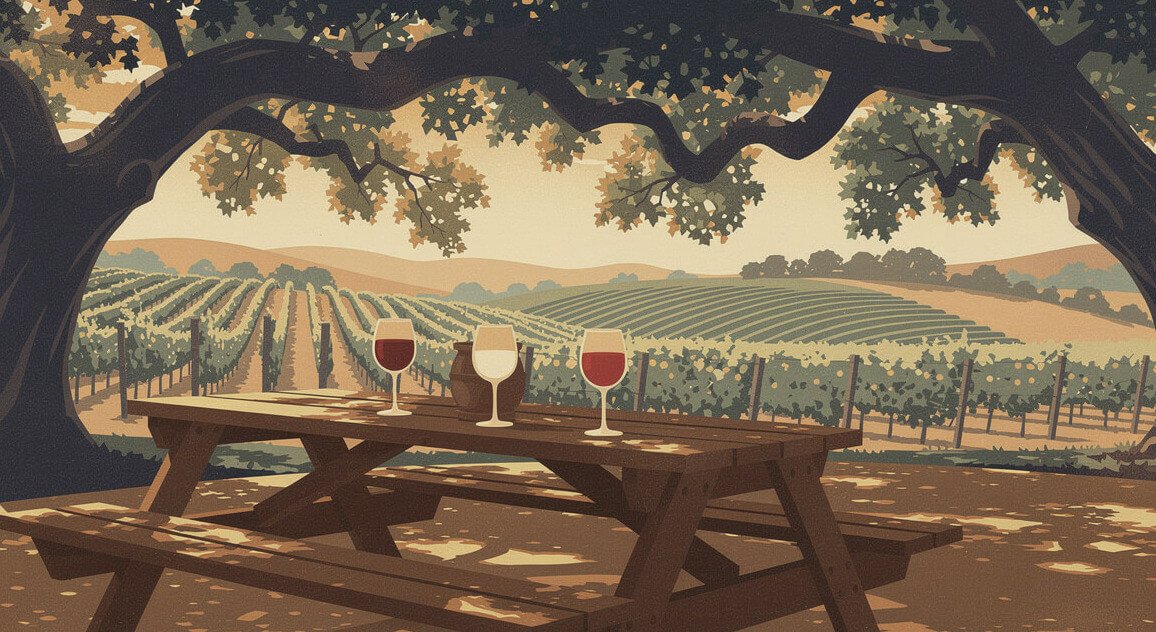
Oak Farm is the prettiest property on this list: a 70-acre estate with a historic house, a barn, and century-old oaks. The Panella family has farmed in the area since 1936 and bought Oak Farm in 2004. It serves food daily, so a long lunch is a real option. The wine has caught up with the setting. The 2024 The Corset red blend won a Best of California award at the 2026 State Fair, at 96 points.
Why it’s below Jessie’s Grove: it’s the best setting on the list, but the wines are newer to the top tier than the six above. Visitors report that weekend reservations are effectively required, so book ahead.
8. m2 Wines (Peltier Road, Acampo)
The building is a sleek Corten-steel box that has rusted to the color of the dirt around it, and it’s the most modern-looking tasting room in Lodi. Layne Montgomery started m2 in 2004, and the estate opened in 2013. It’s open daily, it has a lawn and patios, and well-behaved kids and dogs are welcome.
Why it’s #8: it’s the best stop on this list for a mixed group: friends with toddlers, friends with dogs, friends who mostly want to sit outside. The wine is solid, and the welcome is the reason to go. Parties of six or more need a reservation.
9. St. Amant Winery (Winemaster Way)
St. Amant is in an old industrial complex on the edge of town, and its own website says it plainly: no picnic areas, no bocce. You go for the wine. The Spencer family has been at it since the 1970s, and it has grown Portuguese port grapes since 1980, long before that was fashionable here. It also bottles a single-vineyard zinfandel from the Mohr-Fry Ranch, where Marian’s Vineyard was planted in 1901.
Why it’s #9: for a wine nerd, it might be the #1 stop. For everyone else, the setting is a warehouse. Walk in, or make an appointment.
10. Fields Family Wines (Woodbridge Road, Acampo)
Fields Family is a rustic warehouse tasting room in the Mokelumne River AVA. Russ Fields and winemaker Ryan Sherman make wines with native yeasts and neutral oak, so they come out fresher and lighter than the Lodi stereotype. Ask about their Cinsault, the grape Lodi has been growing since the Bechthold Vineyard went in in 1886.
Why it rounds out the top 10: it’s the clearest sign of where Lodi is headed: lighter, fresher wines made from very old Lodi vineyards.
Just off the list: Peltier Winery in Acampo won a 2026 Best of California award for its Red Wagon Pinot Noir (97 points), which is not what most people expect from Lodi. Markus Wine Co. on Highway 12, from Swiss-born winemaker Markus Niggli, is known for aromatic whites like Nativo, made from Kerner, but it’s appointment only. Book one if you’re serious.
The Buzz, weekly
Know what's buzzing before everyone else does
One email a week: what's blooming, what's opening, what's worth the drive, and new designs from the shop. No spam. Unsubscribe anytime.
How to plan a day of Lodi wine tasting
The mistake people make with Lodi wineries is treating them like one cluster. They aren’t. The region spreads across a big piece of San Joaquin County (plus a corner of Sacramento County), and zigzagging wastes your afternoon. Pick one zone, maybe two, and stay in it.
Zone 1: west side, Turner Road and Highway 12
Michael David, Jessie’s Grove, and the Lodi Wine & Visitor Center are all here, west of downtown and close to I-5. This is the easiest zone if you’re coming from the Bay Area. Start at the visitor center at 2545 W. Turner Road. It pours wines from dozens of local producers on a rotating list and has a small demonstration vineyard out front. It’s the fastest way to figure out which grapes you actually like before you commit to a tasting room.
Zone 2: north, Acampo and the Mokelumne River
Acquiesce, m2, Fields Family, Peltier, and Oak Farm sit north of town around Acampo and Woodbridge. This is the most concentrated cluster for quality, and you can stack three of them in a day without much driving.
Zone 3: east, Harney Lane and the Clements Hills
Harney Lane and Klinker Brick are east of Highway 99 on the valley floor. Bokisch is out in the hills beyond them. Do it in that order, flat to hilly, and hit Bokisch late in the afternoon when the oaks throw long shadows.
The rules that save the day
- Three wineries is the right number. Four is possible. Five is how you end up remembering none of them.
- Reserve on weekends at Bokisch, Klinker Brick, and Oak Farm. Walk in everywhere else, and keep a backup in the same zone.
- Bring food where it’s allowed. Harney Lane and Klinker Brick allow outside food, and Acquiesce doesn’t. Michael David and Oak Farm will feed you.
- Have a driver. These are country roads with farm trucks on them, and harvest season means more of those trucks, moving slowly, at dawn and dusk.
- Check each winery’s site the week you go. Small tasting rooms change their days. A five-minute check beats a locked gate.
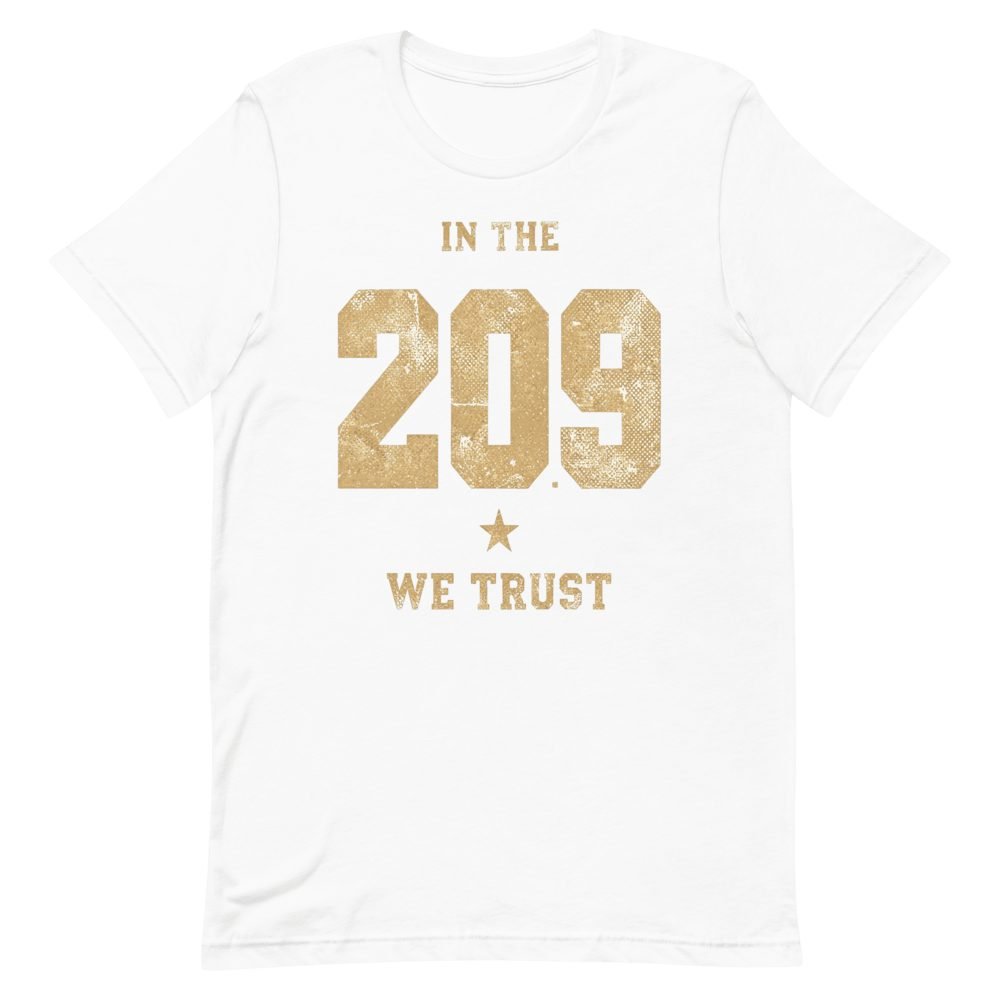
Lodi is the 209, the same area code as Stockton just down Highway 99, and the whole county wears that number with pride. Our In the 209 We Trust Stockton Pride T-Shirt was made for the place where the valley actually lives, and a tasting-room patio in Lodi counts.
The 209 tee
IN THE 209 WE TRUST in stacked, worn-in gold letters. It says Stockton on the tag, but the 209 runs from the Delta to the Clements Hills, Lodi vineyards included.
Make it a weekend: the river, the cranes, and the harvest
Lodi in October is more than tasting rooms, and the extra stuff is free.
The Mokelumne River
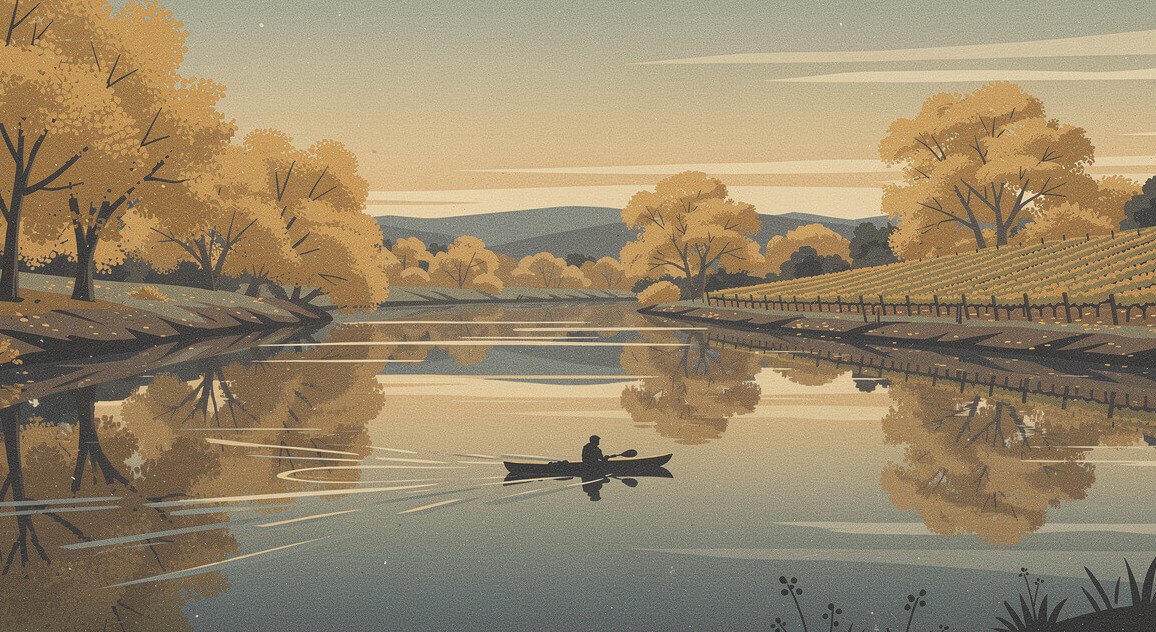
The river runs along the north edge of town, and Lodi Lake Park, off Turner Road, puts you right on it. The cottonwoods and willows along the banks turn gold in late fall. Walk it in the morning before your first tasting, and you’ll understand why the vineyards closest to the river grow the region’s most famous zinfandel: the sandy soil is old river bottom.
The sandhill cranes
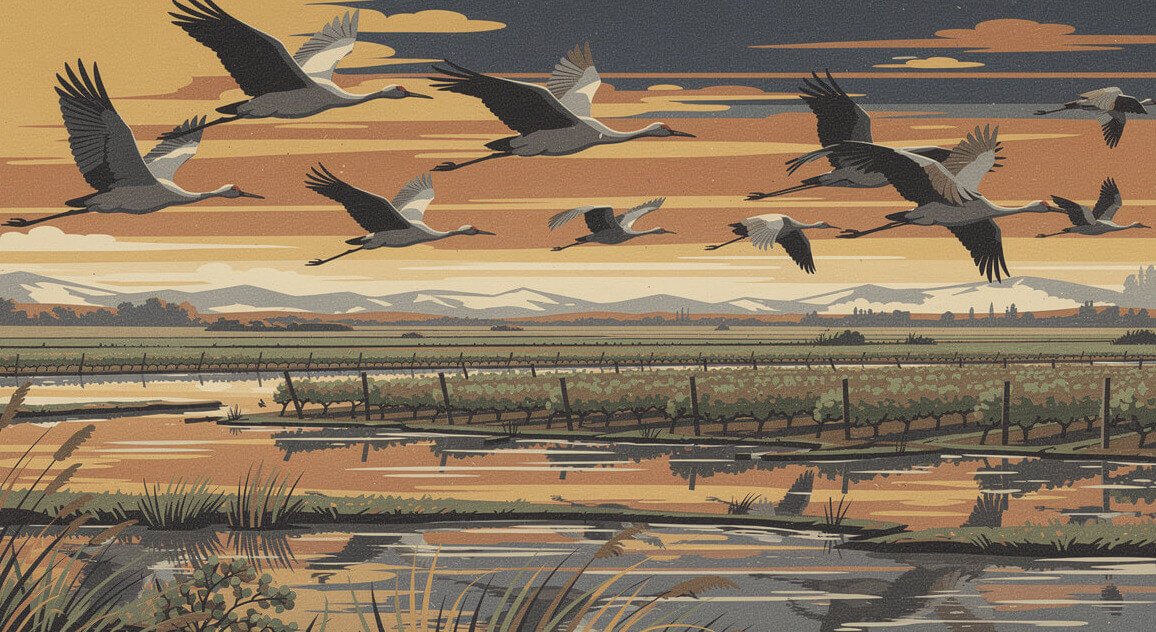
Every fall, thousands of sandhill cranes fly into the Delta west of Lodi to spend the winter, and they start arriving right about now. They stand up to four feet tall, they sound like a rusty gate being played as an instrument, and at sunset they come in to roost in the flooded fields by the hundreds. The Woodbridge Ecological Reserve, on Woodbridge Road west of I-5, is the classic spot to watch. Finish a Zone 1 tasting day at Michael David, then make the short drive to the reserve and park for the fly-in. It’s the best free show in the county.
The harvest itself
You’ll see it everywhere in October: gondolas of grapes on the back roads, harvesters working the rows by headlight before dawn, and that sweet, yeasty smell drifting out of the bigger wineries. Lodi’s crush started early this year, in August, so the tail end runs into October. Ask in any tasting room what came in this week. People who answer that question for a living tend to have a lot to say.
If you want a longer fall road trip, Lodi pairs well with the Sierra foothills to the east. Our guide to the best small towns in Gold Country covers Murphys and the Amador wine towns, about an hour east. If you’d rather chase leaves than wine, the Eastern Sierra fall colors are going right now on the other side of the mountains. For more fall-harvest stops closer to the coast, see the best pumpkin patches in Half Moon Bay.
Lodi wineries FAQ
Do Lodi wineries require reservations?
Most don’t, and that’s a big part of Lodi’s appeal. On weekends, reserve at Bokisch, Klinker Brick, and Oak Farm, and anywhere with a group of six or more. Markus Wine Co. is appointment only.
When is the best time to visit Lodi wine country?
Fall, especially September and October, when harvest is on and the weather has cooled off. Spring is a close second, with green vines and mild days. Summer gets hot in the Central Valley, often over 100°F, so plan tastings for the morning.
What wine is Lodi known for?
Old-vine zinfandel, first and forever. But Lodi grows more than a hundred grape varieties, and its best wines in 2026 also include Spanish Albariño and Tempranillo (Bokisch), white Rhône blends (Acquiesce), Cabernet Franc (Michael David’s 100-point Inkblot), and, surprisingly, Cinsault.
How far is Lodi from San Francisco and Sacramento?
About 90 miles from San Francisco, usually under two hours on I-580 and I-5 or Highway 12 when traffic behaves. Sacramento is about 35 miles north on Highway 99 or I-5.
Are Lodi wineries kid- and dog-friendly?
Some are. m2 Wines welcomes kids and dogs, and Klinker Brick allows leashed dogs outdoors. Acquiesce and Harney Lane are strictly 21 and over, infants included. Check before you bring anyone under 21, human or otherwise.
How many wineries are in Lodi?
More than 85, according to Visit Lodi. Don’t try to see them all. Pick one zone and three wineries.
If you only visit one Lodi winery
Make it Michael David. Go for breakfast at the café, walk in for a tasting with no reservation, and buy a pie on the way out. You’ll get the full Lodi story in one stop: a family that has farmed here since the 1800s, a roadside fruit stand that grew up, and wine that now outscores Napa at the State Fair.
If you have a whole day, swap in the version locals would choose: Harney Lane for the 1904 zinfandel, Acquiesce for the white wine that changes your mind, Bokisch for the Clements Hills in late-afternoon light. Then end at the Woodbridge reserve as the cranes come in. That’s the best day in the 209 this month, and the vines don’t wait. Harvest won’t, either.
Before you go
Get the next ranking in your inbox
We write one of these every day. The best of them, plus whatever California is texting about this week, lands in one short email.


One Comment